
After years of operating independently, five departments at the University of Arizona came together to establish a shared identity, centralized budget and stronger divisional infrastructure.
A division’s name may establish its place on an organizational chart, but it takes more than a title to make it function as a unified organization.
When Amanda Kraus became interim vice president for Student Affairs at the University of Arizona in 2024, she inherited five departments under one division, but operating independently.
The programs lacked a central budget, dedicated infrastructure and a cohesive professional identity — gaps making it difficult to coordinate resources, establish shared priorities and present a unified approach to the student experience.
Rebuilding the division meant addressing those structural challenges while also restoring the connections and shared purpose that make student affairs work across a large university.
Over the next two years, Kraus and her leadership team established new communication and leadership structures, developed a centralized budget and created more consistent opportunities for employees to collaborate.
Their experience offers a practical look at what it takes to rebuild a division — and why lasting organizational change depends as much on people and culture as it does on structure.
What Kraus Inherited
In 2018, divisions including student affairs, enrollment management, academic initiatives and more were organized under one senior administrator. When that staff member retired, the university split the portfolio and renamed it Campus Life, which encompassed Campus Health, Campus Recreation, Disability Resources, Dean of Students, and Housing and Residential Life.
A single administrator served as both vice provost for Campus Life and dean of students. Kraus, who worked in Disability Resources at the time, recalled how the five departments operated largely independently. Each department focused on its own functional areas, but without a shared divisional or professional identity.
In summer 2024, a new provost appointed Kraus as interim vice president of student affairs. In their first conversation, Kraus said the provost expressed confusion that a university of its size didn’t have a division with students in its name. As a result, one of his first decisions was to rebrand campus life as Student Affairs.
From that point on, Kraus said the executive directors from each department became a close, collaborative team and started to run the division together.

Working Together
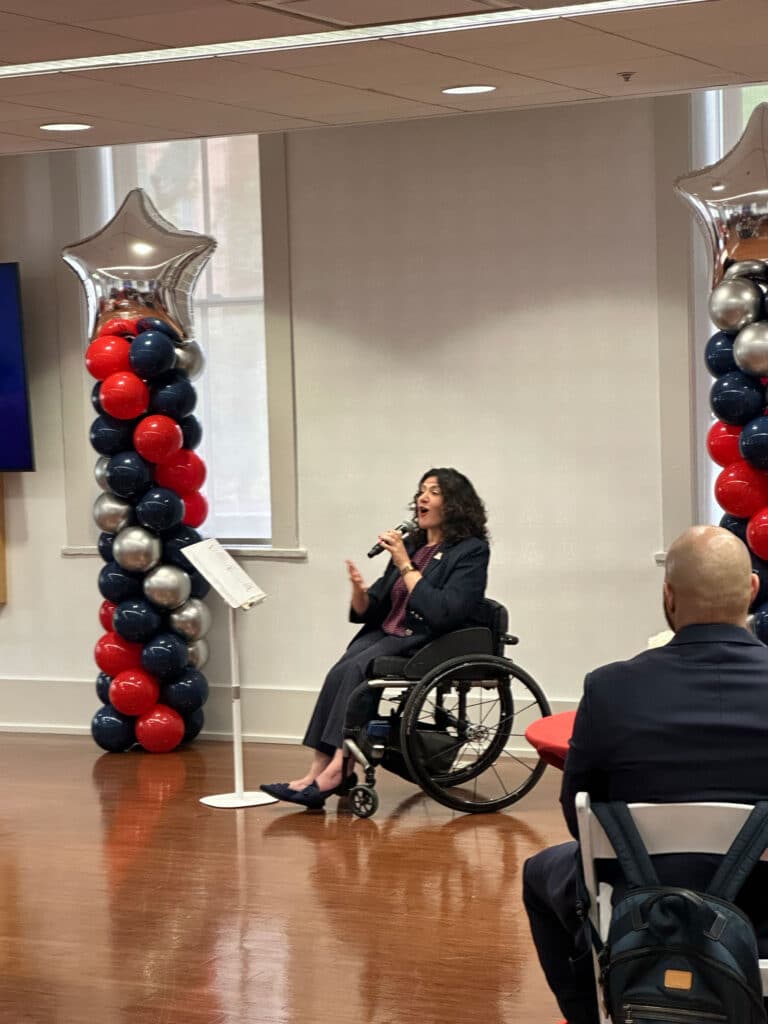
One of the first things Kraus focused on upon entering the role was building connections between each department, starting with meeting with department leaders.
“We became a very tight-knit team,” said Kraus. “We talked through what was going on. I think about myself as a collaborative leader. I want the people I work with to know they’re a huge part of all of our operations. I can’t be in this job without each of them in their jobs, right?”
To build more connection throughout the division, Kraus and the leadership team began establishing communication channels and opportunities for staff to come together.
Some of the first steps were relatively simple, including creating a divisional listserv and launching a website in November 2024. The team also introduced a monthly newsletter to share updates, recognize employees and help staff understand what was happening across departments.
While these were small moves in the right direction, they addressed a significant gap in the division’s structure. After years without regular opportunities to connect, the leadership team recognized that rebuilding a shared culture required creating consistent ways for employees to communicate and engage with one another.
The division also began offering professional development opportunities. In fall 2024, staff were invited to a divisional gathering that included a speaker on communicating across the political divide, a panel discussion on the First Amendment and how different campus units manage and support it, and an opportunity for employees to connect over a meal.
For some employees, these gatherings reintroduced an experience they had missed. For newer professionals, however, the concept of coming together as a division was unfamiliar.
Kraus recognized that rebuilding the division required more than simply scheduling events. Staff needed to understand why the connections mattered and what it meant to operate as a unified student affairs organization.
Another important step for Kraus was establishing an advisory council composed of faculty, staff, students and administrators.
During the 2024-25 academic year, the group met monthly before moving to a semesterly schedule. Kraus said the council provided an opportunity to gather perspectives from across campus, discuss the historical role of student affairs and receive feedback as the division began making changes.
Kraus explained it also helped her reintroduce Student Affairs to the broader university community. She began meeting with deans and campus leaders to explain the division’s structure, share its work and identify opportunities for collaboration.
While establishing communication and rebuilding culture were important early priorities, the division also needed the financial infrastructure to sustain its work.
Previously, the five departments operated without a centralized divisional budget. Although the departments had their own resources, they lacked a process for division-wide initiatives or directing resources toward shared priorities.
Rather than imposing a new budget structure herself, Kraus and the department directors developed one collaboratively. In fall 2025, they began a deliberate process to establish a centralized divisional budget, starting with conversations about why the change was necessary and what the budget should accomplish.
The leadership team established guiding principles to shape the discussions, recognizing that reallocating resources across departments could create tension. Kraus encouraged the group to return to those principles whenever conversations became difficult.
Over the course of three or four meetings, the directors reached an agreement to permanently transfer a designated percentage of each participating department’s operating budgetto Student Affairs. Housing and Residential Life, which operates entirely as an auxiliary, was the exception. Instead, it makes an annual transfer to the division.
For Kraus, the goal wasn’t necessarily to secure additional university funding, but to establish a more effective way to use the resources already available within the division. “We just need to redistribute the money that we have in the division,” she said.
The centralized budget has allowed Student Affairs to respond more effectively to student requests and support campus events. It also created opportunities to direct additional resources toward areas such as the Dean of Students, Disability Resources and Health Prevention Services, which Kraus said needed better support.
Additionally, the division funded a new strategic planning and initiatives officer. The position is designed to identify division-wide opportunities, assess reports and trends, support projects and events, and help connect departments while identifying gaps in services.
Establishing the budget gave the division more than financial flexibility. It created a structure through which leaders could make decisions based on collective priorities rather than relying exclusively on individual department needs.
Building Leadership Infrastructure
As the division became more connected, Kraus and the leadership team continued developing structures to support collaboration and long-term planning.
For example, the division established an integrated leadership team composed of Kraus, her direct reports and their direct reports. The group meets monthly, bringing together leaders from across the organization to discuss priorities and maintain communication beyond the executive level.
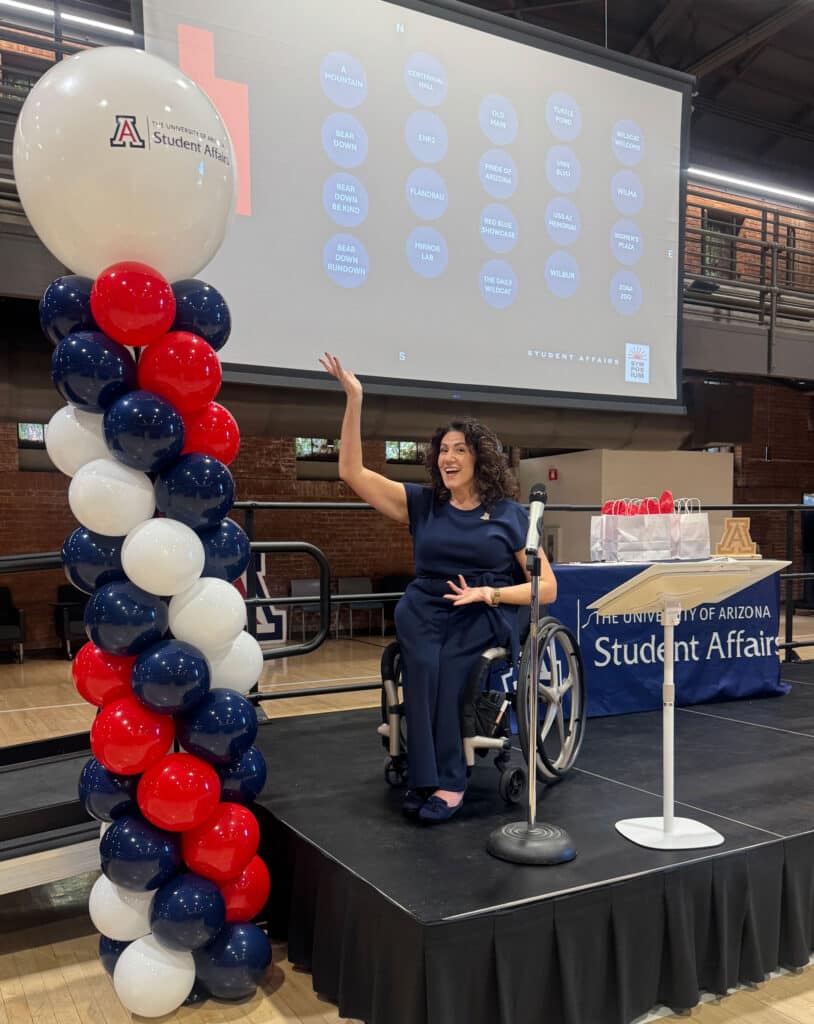
The team also began creating regular opportunities for professional development and recognition. Student Affairs now hosts a fall symposium and a spring recognition event, where employees are recognized for years of service and contributions with awards focused on areas like dedicated service and student-centered work.
The division also introduced monthly Student Affairs Connects events, which bring employees together at various locations across the organization. Rather than limiting connections to meetings or newsletters, the gatherings give staff a chance to visit other departments, learn about their services and build relationships with colleagues.
Kraus emphasized that these opportunities are particularly important for a division with around 1,000 employees. While regular communication with the entire organization is necessary, she believes leaders must also prioritize deeper engagement with the people closest to the work.
That includes involving the next level of leadership, whose directors and managers oversee large teams and play an important role in communicating priorities throughout their departments.
Keeping the Work Going
While Arizona has made significant progress in rebuilding Student Affairs, Kraus recognizes that organizational change isn’t a process with a clear endpoint. Some improvements happen quickly, while others require continued attention, communication and investment.
For other senior student affairs leaders inheriting fragmented departments or navigating restructuring, she emphasized the importance of acknowledging what employees experience without allowing the organization to remain stuck.
She believes senior leaders have a responsibility to help employees understand where the organization is going and why the work matters. That requires acknowledging the cumulative impact of change while continuing to provide a clear sense of direction.
Kraus also pointed to consistency and dependability as essential leadership qualities, particularly after periods of organizational uncertainty. Following through on commitments helps rebuild trust and gives employees confidence in the direction of the division. When additional support is needed, leaders should also be willing to invest in resources such as coaching for individuals or departments.
Ultimately, rebuilding Student Affairs at Arizona required more than restoring a divisional name. It meant developing the relationships, financial structures and leadership practices necessary to operate as one organization.
For Kraus, rebuilding Student Affairs has been an exercise in creating the conditions for the division to work more effectively — not simply introducing new structures or processes. A shared budget, regular communication and integrated leadership have given departments more ways to collaborate, but sustaining that progress requires continued attention to the people navigating the change.
For student affairs leaders facing similar organizational challenges, the University of Arizona’s experience underscores that rebuilding a division is an ongoing leadership commitment to establishing shared purpose, investing in relationships and aligning the resources and expertise of individual departments around the broader student experience.

Gracie Moore is Assistant Editor for Student Affairs Executive and a lead editor for Campus Rec Magazine, where she covers the people, programs and strategies shaping the campus recreation profession.
Through her work across Peake Media’s higher education brands, Gracie connects with campus leaders to uncover practical ideas, emerging trends and real-world examples of how institutions are supporting students and strengthening the campus experience. Her reporting for Student Affairs Executive expands that focus to the broader priorities facing student affairs leaders, highlighting the strategies and perspectives helping institutions navigate change and advance student success.
Connect with Gracie on LinkedIn or explore her latest articles