
How student affairs leaders at the University of Minnesota and the University of Georgia are advancing student well-being in higher education through campus design, basic-needs support and collaboration.
For much of the past decade, colleges and universities have responded to a growing mental health crisis by expanding counseling centers, hiring additional clinicians and increasing investments in clinical support.
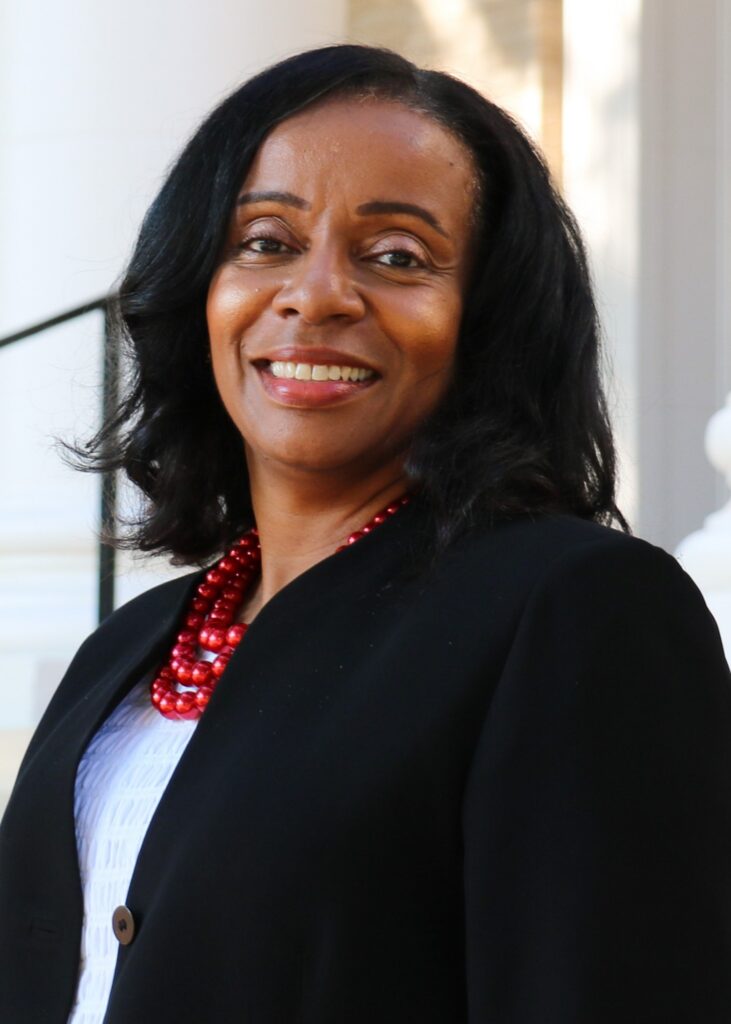
Those efforts remain essential. But student affairs leaders George M. Brown, Ph.D., of the University of Minnesota and Michelle G. Cook, Ph.D., of the University of Georgia believe the next evolution of student well-being requires institutions to look beyond clinical capacity.
Their perspectives point toward a broader, more integrated approach — one that considers how campus environments, institutional processes, basic-needs support and everyday student experiences can either strengthen or undermine well-being.
From Treating Problems to Designing Environments
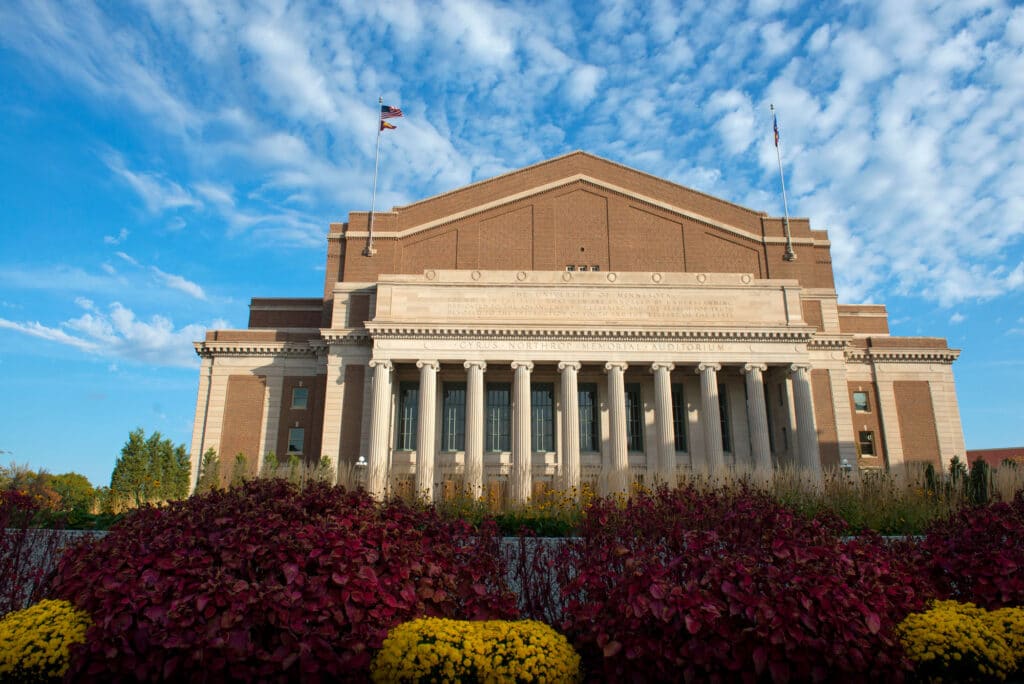
Brown, the assistant vice president in the Office for Student Affairs and director of University Recreation and Wellness at the University of Minnesota, believes colleges and universities are approaching an inflection point. While increasing clinical capacity has been necessary, he does not believe institutions can hire their way out of the challenges students are experiencing.
“I think it’s pretty obvious now that we’ll never be able to have the necessary inventory or amount of staffing required to completely solve this issue,” said Brown. “The emphasis has been on more staff, staff, staff. I don’t think that hits what’s really in play here, and it’s the environment.”
That shift changes where leaders focus their attention. Rather than viewing well-being as something delivered primarily through programs or appointments, institutions must examine the full student experience, including policies, processes, schedules and physical spaces.
“I think the thing to take a holistic approach is to start big and think about what are we doing on our respective campuses, such as when do we offer classes, how easy or hard is it to register for a class, how easy or hard is it to transfer credit, or drop a class,” said Brown. “I think it’s examining everything that we do under that microscope.”
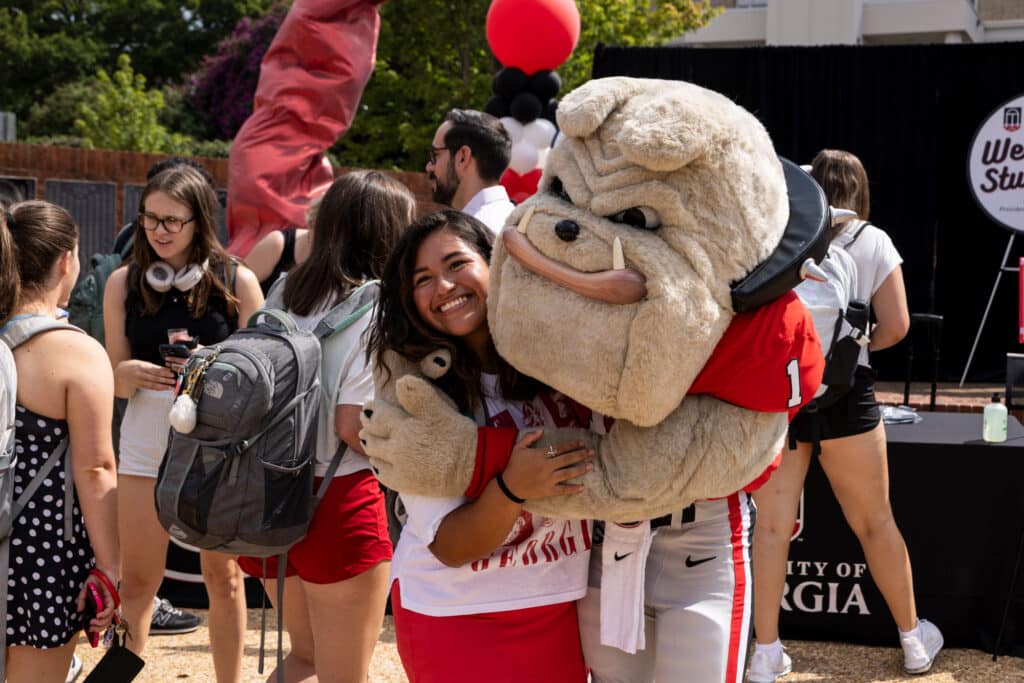
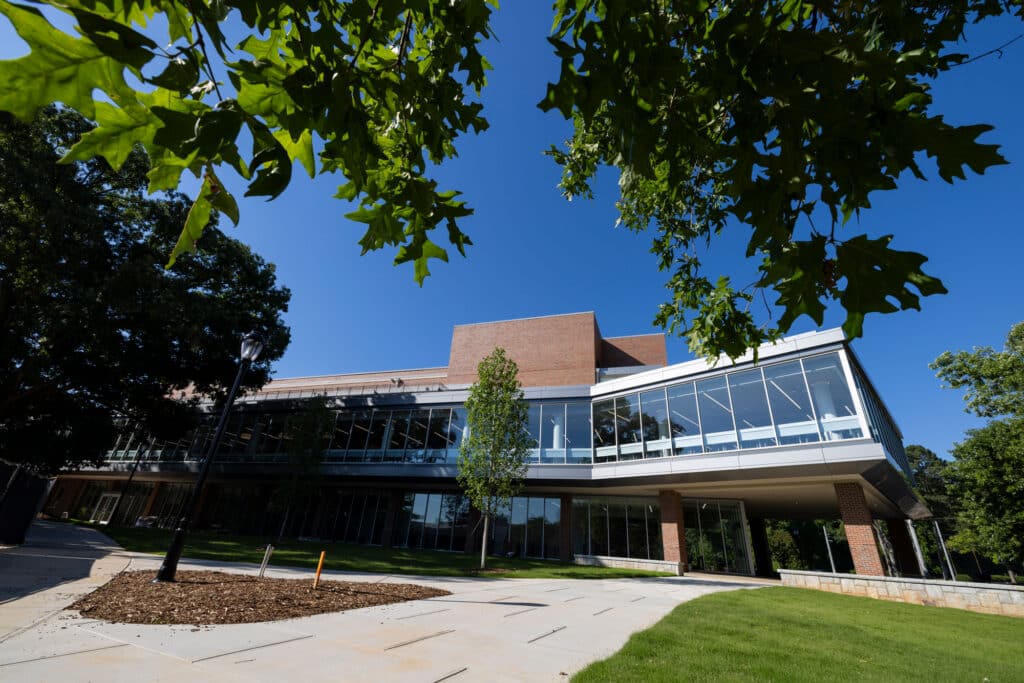
At the University of Georgia, Cook, the vice president for student affairs, and her team are helping translate that philosophy into the physical campus environment. The university recently opened a 3,300-square-foot well-being center within a new dining, learning and well-being facility located near approximately 5,000 first-year students.
The center brings together mental health services, wellness coaching, evening medical care and nutrition education in a building where students also attend classes and eat. Its location is intentional: By placing resources within students’ daily routines, the University of Georgia aims to reduce barriers to seeking help and introduce students to available support early in their college experience.
The facility also includes a teaching kitchen where dietitians and dining professionals offer classes on preparing healthy, affordable food. “We should help students develop an awareness of well-being from the time they arrive on campus, not only after a problem emerges,” said Cook.
Well-Being Extends Beyond Mental Health
A more holistic model also requires institutions to define well-being more broadly. Mental health remains a critical component, but it is inseparable from belonging, physical health, financial stability and students’ ability to meet their basic needs.
Brown believes colleges and universities are still seeing the effects of COVID, including increased loneliness, changing social behaviors and the lasting impact of digital relationships on students’ ability to build community. Many students, he said, are not becoming lonely after arriving on campus; they are arriving already disconnected.
That reality has prompted the University of Minnesota to reconsider whether offering a high volume of activities — particularly during welcome week — necessarily creates connection.
“Most students are on a continuum, and they just don’t get there that quickly,” said Brown. “Sometimes it’s a semester, sometimes it’s a year. So I think creating social well-being is having some intentionality around high-impact, high-touch, high-value programs and services, rather than volume for its own sake.”
The work taking place at Georgia highlights another dimension of student distress: unmet basic needs. The university has expanded its food pantry, increased the number of food scholarships it awards and developed emergency funding that can help students cover groceries, rent, car repairs and mental health care beyond what the university health center provides.
“A student who reports struggling in class may also be navigating illness in the family, food insecurity or an unexpected financial burden,” said Cook. “If we treat those experiences as separate problems, it becomes harder to understand and address what is actually affecting the student.”
Bringing Support Closer to Students
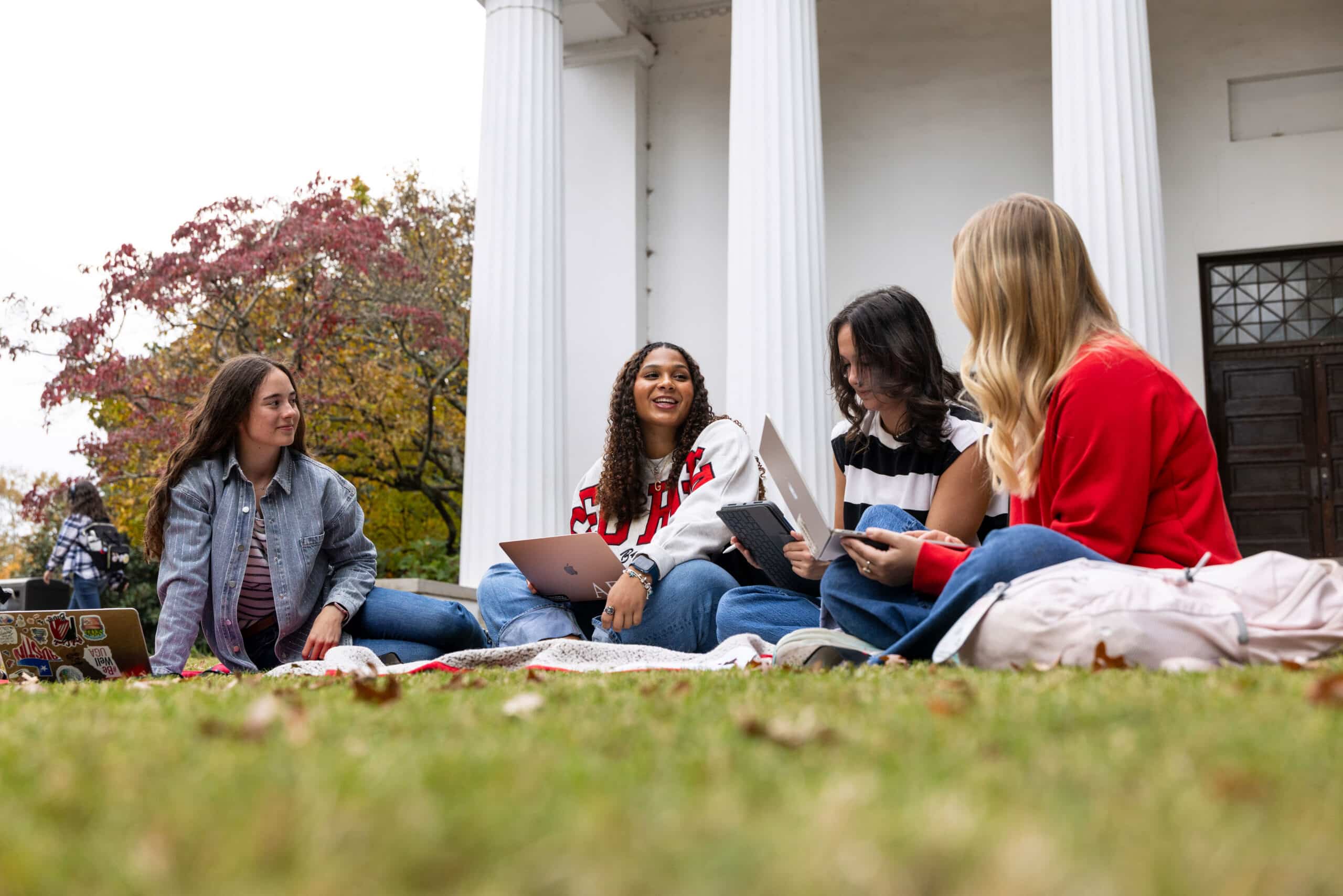
Both the University of Minnesota and the University of Georgia are working to make support available in places where students already live, gather and have trusted relationships.
At Minnesota, that can mean connecting a student experiencing loneliness with intramural sports or Outdoor Adventures programming, offering sleep-focused programming during high-stress academic periods, or bringing informal counseling into recreation facilities through the university’s “Let’s Talk” initiative.
“There’s a certain amount of, ‘I don’t want to be in a clinic. I don’t want to be seen as going into a clinic,'” said Brown. A discreet conversation with a counselor in a recreation facility, he explained, may lead to a clinical appointment — or simply help a student connect with an activity that supports movement and belonging.
Georgia uses a distributed model as well. Its Student Care and Outreach office serves as a central hub, but employees across student affairs are trained to recognize student needs and connect students with resources. That matters because a student may be more comfortable approaching someone they already know in housing, Greek life or another campus area than walking into a dedicated support office.
If a student does enter through Student Care and Outreach, the goal is to minimize the number of additional doors they must navigate. Case managers can coordinate with offices across the university, follow up with students and, when appropriate, request measures such as retroactive academic withdrawals.
“They’re not just people that students talk to,” said Cook. “They’re actually people who can get something done.”
Across both institutions, the strategy is not simply to add services, but also to make the first step toward support easier, more familiar and more connected to the rest of a student’s experience.

Well-Being Can’t Belong to One Department
Creating that kind of experience requires institutions to move beyond departmental ownership. Counseling, recreation, residence life, academic affairs, dining, health services and student support offices may each influence well-being, but no single unit can deliver it alone.
“I think the problem sometimes with health and well-being is that there’s an ownership thing going on here,” said Brown. “We, as the health center — we as rec — want to take all the credit for it. But ultimately the problems didn’t start in one area, and the solutions won’t arrive in one area either.”
Brown refers to the alternative as “environmental coordination” — building intentional relationships across departments so students experience connected support rather than a collection of isolated services.
At Georgia, student affairs has become an ambassador for well-being across the university, engaging faculty, schools, colleges and other divisions in conversations about student and employee well-being. Cross-training helps extend that work by giving professionals throughout the institution the knowledge to respond when a student turns to them for help.
The collaboration also crosses the traditional boundary between academic and student affairs. Georgia’s ability to coordinate retroactive academic withdrawals through Student Care and Outreach is one example of student affairs professionals addressing an academic barrier as part of a broader response to a student’s circumstances.
Brown similarly sees greater integration between academic and student affairs as essential to expanding how institutions define student success.
“By having student affairs and academic affairs more integrated, I think student success is more broadly defined,” said Brown. Academic leaders gain a fuller understanding of students’ experiences, he explained, while student affairs professionals develop a better appreciation for the academic side of student success.
Turning Institutional Support Into Sustainable Investment
A campuswide well-being strategy also depends on support from presidents, cabinets, governing boards and donors. Cook has seen how executive buy-in can turn a student affairs priority into an institutional one.
At Georgia, support from the president’s office and the university foundation made student well-being initiatives eligible for matching privately raised funds that had often been directed toward academic priorities such as professorships and scholarships. Cook said that advocacy has changed her conversations with donors: A contribution toward student support funding or a meal plan scholarship can have twice the impact when matching funds are available. Student Affairs secured $2.5 million in matching funds for well-being initiatives in one year, demonstrating how institutional alignment can accelerate investment in student support.
Not every student affairs leader has that level of backing. “Some institutions struggle to acknowledge the scope of student well-being challenges because leaders fear doing so will suggest there is something uniquely wrong with their campus,” said Cook. “Part of our work is communicating that these issues are not isolated.”
That case increasingly requires evidence. Brown believes many institutions collect significant amounts of information but do not always organize it in ways that reveal what students gained from their experiences.
“While we have information, and sometimes we have data, we don’t have it collected in a meaningful way to where we can really extrapolate what it means,” said Brown.
Participation counts and facility visits tell only part of the story. Institutions must also examine learning, belonging, persistence, graduation, career preparedness and other outcomes that show how well-being investments contribute to students’ long-term success.
Building Campuses That Prepare Students for Life
Ultimately, a holistic approach to well-being is about creating communities that develop resilience, belonging, purpose and the ability to navigate challenges long after graduation.
Cook believes institutions must help students understand from their first days on campus that well-being requires ongoing attention. That means introducing resources early, creating opportunities to build healthy habits and ensuring students know where to turn before a crisis occurs.
Brown similarly frames the student experience as preparation for life beyond the institution. “While over the 3, 4, 5 years that you’re in higher ed, you get these series of ‘vaccines’ called the student experience, and it inoculates you well enough that you can persevere,” he said.
The work at the University of Minnesota and the University of Georgia illustrates the larger shift underway across student affairs. The future is not simply creating healthier students or expanding the inventory of services available to them. It is intentionally designing campuses where health, connection and resilience are embedded throughout the student experience, so graduates leave more supported, more adaptable and better prepared for life beyond college.

With more than a decade of experience in B2B journalism, Rachel Chonko is Editor-in-Chief of Student Affairs Executive and Peake Media. She specializes in connecting leaders with the ideas, strategies and peers that can help them navigate complex challenges and strengthen their organizations.
Through Student Affairs Executive, Rachel works closely with senior student affairs leaders across higher education to explore the issues commanding executive attention — from student success, data and assessment to organizational strategy, financial leadership, technology and stakeholder engagement. Her reporting is grounded in conversations with the leaders doing the work, with an emphasis on practical insights, institutional case studies and peer perspectives.
Rachel also helps shape the Student Affairs Executive Summit, an intimate, discussion-driven event designed to bring senior student affairs leaders together for candid conversations, relationship building and shared problem-solving.
Connect with Rachel on LinkedIn or explore her latest articles.